
Introduction
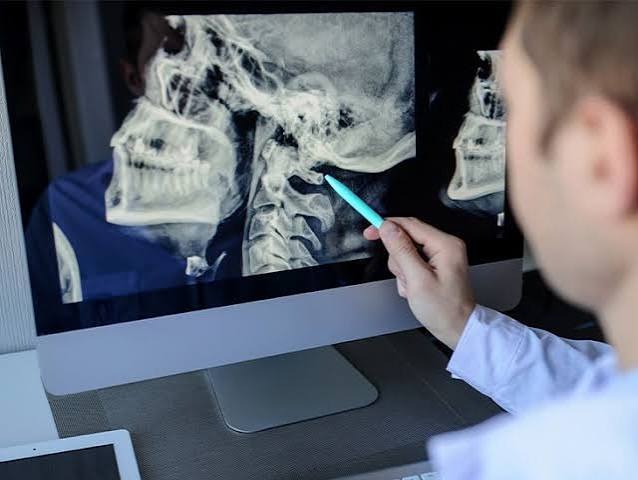
X-rays are one of the oldest and most trusted tools in modern medicine. For over a century, doctors have relied on this simple yet powerful imaging technology to look beneath the skin and diagnose everything from broken bones to lung infections. Despite the rise of more advanced imaging like MRI and CT scans, X-rays remain a first-line diagnostic tool because they are fast, affordable, and widely available. Whether you’ve twisted an ankle, are dealing with chronic joint pain, or need a routine chest screening, understanding what X-rays are, how they work, and what they can reveal will help you feel more confident the next time your doctor orders one.
In this guide, we’ll break down the different types of X-rays, their most common medical uses, what conditions they can detect, and practical information about cost and where to get one done, including options if you’re searching for an xray near me right now.
What Is an X-Ray, Exactly?
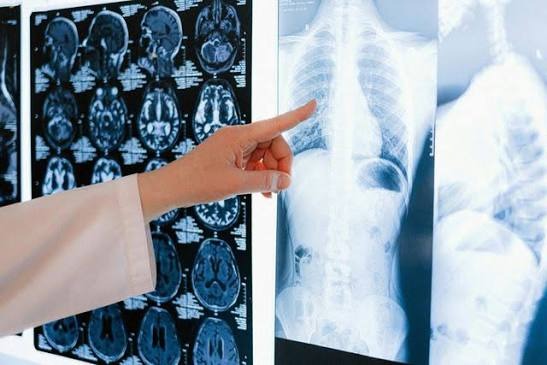
An X-ray is a type of electromagnetic radiation that can pass through soft tissues like skin, fat, and muscle while being absorbed by denser structures like bone. When an X-ray machine sends a small, controlled burst of radiation through your body, the resulting image, called a radiograph, shows bones as bright white areas and soft tissue as darker shades of gray. This contrast is what allows radiologists and physicians to spot fractures, abnormalities, infections, and other issues that aren’t visible from the outside.
The procedure itself is quick, painless, and non-invasive. Most X-ray exams take only a few minutes, and you can typically resume your normal activities immediately afterward.
Types of X-Rays
Not all X-rays are the same. Depending on the part of the body being examined and the information your doctor needs, you may be referred for one of several types:
1. Bone X-Rays
These are the most common type, used to detect fractures, dislocations, arthritis, bone infections, and tumors. A knee xray, for example, is frequently ordered after a sports injury, a fall, or for patients experiencing chronic joint pain, swelling, or stiffness. It helps doctors evaluate cartilage loss, bone spurs, alignment issues, and the overall health of the joint before deciding on treatment, whether that’s physical therapy, medication, or surgery.
2. Chest X-Rays
Chest X-rays are used to examine the lungs, heart, and surrounding structures. They’re commonly ordered to diagnose pneumonia, tuberculosis, lung cancer, heart enlargement, and other cardiopulmonary conditions.
3. Dental X-Rays
Dentists use X-rays to check for cavities, impacted teeth, bone loss, and issues below the gumline that aren’t visible during a standard exam.
4. Abdominal X-Rays
These help identify blockages, swallowed objects, kidney stones, and other abnormalities in the digestive and urinary systems.
5. Mammography (Breast X-Rays)
A specialized low-dose X-ray used for breast cancer screening and detection.
6. Extremity X-Rays
This category includes imaging of the hands, wrists, feet, elbows, and shoulders, often used after trauma or for evaluating chronic pain in these areas.
Common Uses of X-Ray Imaging

X-rays serve a wide range of diagnostic purposes across nearly every medical specialty. Some of the most common reasons a doctor might order one include:
- Diagnosing fractures and bone injuries after accidents, falls, or sports-related trauma
- Monitoring arthritis progression in joints like the knee, hip, and spine
- Detecting infections in bones or lungs
- Identifying foreign objects that may have been swallowed or embedded in tissue
- Guiding orthopedic treatment, including monitoring healing progress after a cast or surgery
- Screening for certain cancers, particularly through mammography
- Evaluating the digestive tract for blockages or abnormalities
- Pre-surgical planning, giving surgeons a clear picture of bone structure before a procedure
Because X-rays are so versatile, they’re often the very first imaging test ordered before more advanced (and more expensive) scans like MRI or CT are considered.
What Do X-Rays Actually Show?
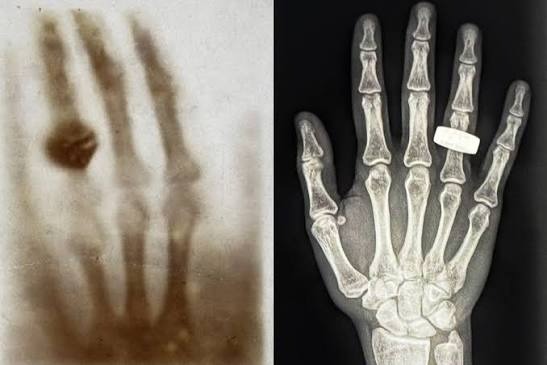
An X-ray image reveals density differences within the body. Bones, being dense, appear white or light gray. Air-filled spaces, like the lungs, appear black. Soft tissues, fat, and fluid appear in various shades of gray in between. This contrast allows radiologists to identify:
- Fractures, breaks, and hairline cracks in bone
- Signs of osteoarthritis, such as joint space narrowing and bone spurs
- Abnormal masses or growths
- Fluid buildup in the lungs or abdomen
- Misalignment of bones or joints
- Signs of infection, such as abscesses near the bone
For a knee xray specifically, doctors are typically looking at the joint space between the femur and tibia, checking for cartilage wear, bone alignment, fluid accumulation, and any fractures or degenerative changes that could explain pain or reduced mobility.
How Much Does an X-Ray Cost?
One of the most common questions patients ask before scheduling an appointment is xray cost. The answer varies depending on several factors:
- Body part being imaged—a single-view extremity X-ray is generally less expensive than a multi-view spine or abdominal series
- Location and facility type—hospital-based imaging tends to cost more than a standalone outpatient imaging center
- Insurance coverage—copays and deductibles significantly affect out-of-pocket costs
- Number of views required—some exams require multiple angles for an accurate diagnosis
The cost of an X-ray can vary quite a bit depending on where you go, with outpatient imaging centers generally being far more affordable than hospital emergency rooms for the same exam. Factors like the body part being imaged, the number of views required, and your geographic location all play a role in the final price. If you have insurance, your out-of-pocket cost will depend on your specific plan, your copay, and whether the facility is in-network, so coverage can look very different from one patient to the next. Because pricing isn’t always straightforward, it’s always a good idea to call ahead and ask for a cost estimate, especially if you’re paying out of pocket, so you know what to expect before your appointment.
Where Can I Get an X-Ray Done Near Me?
If you’re wondering where you can get an Xray done near me, you generally have a few options: hospital radiology departments, urgent care centers, orthopedic clinics, and dedicated outpatient imaging centers. While hospitals are necessary for emergencies, an independent imaging center is often the better choice for routine or scheduled X-rays; they tend to offer shorter wait times, lower costs, and more flexible scheduling than hospitals.
When searching for a nearby X-ray place near me, it’s worth comparing a few things:
- Turnaround time for results
- Whether they accept your insurance
- Same-day or walk-in availability
- Board-certified radiologists reviewing your images
- Overall patient reviews and comfort of the facility
If you’re specifically looking for X-ray Jersey City options or searching for a near-me X-ray lab that offers fast, accurate imaging without the long wait times of a hospital ER, a dedicated local imaging center is typically your best bet.
Why Location Matters: Imaging Centers in Jersey City
For residents in and around Hudson County, there are several imaging centers in Jersey City that provide comprehensive diagnostic services, from standard X-rays to advanced MRI and CT scans. Choosing a local facility means faster appointment availability, shorter travel time when you’re in pain, and often more personalized care than a large hospital system can offer.
A trusted Jersey City imaging center typically provides:
- On-site radiologists for prompt, accurate readings
- Digital X-ray technology for clearer images and lower radiation exposure
- Insurance coordination and transparent pricing
- Same-day or next-day appointment availability
- A comfortable, patient-focused environment
Choosing a facility close to home or work also makes follow-up visits, which are common for tracking healing progress after a fracture or joint issue, far more convenient.
Preparing for Your X-Ray Appointment
Most X-rays require little to no preparation. However, a few general tips can help your visit go smoothly:
- Wear comfortable clothing without metal zippers, snaps, or buttons near the area being imaged
- Remove jewelry and accessories, including watches, necklaces, and piercings
- Inform the technician if you’re pregnant or think you might be, as precautions may be needed
- Bring your doctor’s referral or prescription, if required
- Bring your insurance card and ID for a smoother check-in process
Final Thoughts
X-rays remain one of the fastest, safest, and most cost-effective ways to diagnose bone and joint issues, lung conditions, and a wide range of other medical concerns. Whether you need a routine knee X-ray after an injury, a chest X-ray for respiratory symptoms, or you’re simply trying to find a reliable xray near me for a same-day appointment, choosing the right imaging center makes all the difference in both your comfort and the accuracy of your diagnosis.
If you’re in the Jersey City area and searching for fast, affordable, and professional imaging services, a local diagnostic center can typically get you in and out with results in hand far quicker than a hospital ER, often at a fraction of the cost.
Ready to Book Your X-Ray?
Don’t wait in pain wondering what’s wrong. Schedule your X-ray today at a trusted Jersey City imaging center and get clear answers from board-certified radiologists with fast scheduling, insurance support, and same-day results in many cases.
Call now to book your appointment or walk in for a consultation. Quick, affordable, and convenient imaging is closer than you think.
Frequently Asked Questions
1. Where can I get an X-ray done near me?
You can get an X-ray done at hospital radiology departments, urgent care centers, or dedicated outpatient imaging centers. For non-emergency needs, a local imaging center usually offers shorter wait times and lower costs than a hospital.
2. How long does an X-ray take?
Most X-ray exams take only 5 to 15 minutes, including positioning and setup. The actual imaging itself takes just a few seconds per view.
3. Do I need a doctor’s referral to get an X-ray?
In most cases, yes, a physician’s order is required for insurance billing purposes. However, some imaging centers offer walk-in X-ray services without a referral for an additional fee.
4. Is a knee X-ray painful?
No. An X-ray is completely painless. You may need to hold your leg in specific positions briefly, but there is no discomfort from the imaging process itself.
5. How soon will I get my X-ray results?
Many imaging centers offer same-day or next-day results, especially for routine bone and joint X-rays. Emergency cases are often read within minutes.
6. Are X-rays safe?
Yes. Modern digital X-ray equipment uses very low doses of radiation, and the benefits of an accurate diagnosis generally far outweigh the minimal risk involved.
7. What’s the difference between an X-ray, MRI, and CT scan?
X-rays are best for viewing bones and detecting fractures. CT scans provide more detailed cross-sectional images, and MRIs are best for soft tissue, ligaments, and nerves. Doctors often start with an X-ray before ordering more advanced imaging.
Medical Disclaimer
The information provided in this article is for educational and informational purposes only. It is not intended to replace professional medical advice, diagnosis, or treatment. Always consult your physician or another qualified healthcare provider regarding your health concerns. If you are experiencing a medical emergency, call 911 or visit your nearest emergency department immediately.
Need Diagnostic Imaging?
Schedule your MRI, CT Scan, X-Ray, Ultrasound, or other diagnostic imaging services with Jersey City Imaging Center. Our experienced team provides advanced technology, fast appointments, and compassionate care.

