
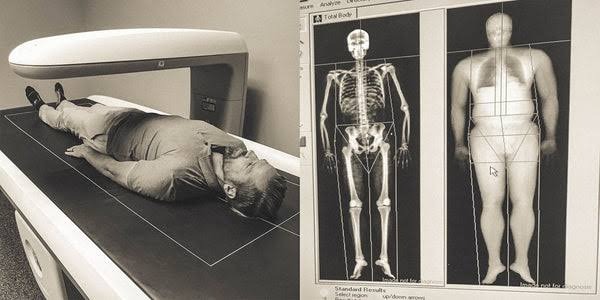
You step on the scale, see a number, and try to make sense of it. Maybe it dropped two pounds. Maybe it didn’t move at all. Either way, the scale can’t tell you what actually changed. Did you lose fat or muscle? Did you gain muscle while the fat stayed put? Where is your body storing fat, and is it the kind that affects your health most?
A DEXA scan in Jersey City answers those questions. In about 10 minutes, you get a precise breakdown of your fat, muscle, and bone, with none of the guesswork that comes from scales, calipers, or BMI charts.
If you’ve been typing “DEXA scan near me” into your phone, this guide explains what a DEXA scan measures, who benefits most, how to prepare, what your results mean, and how to book at Jersey City Imaging Center.
What Is a DEXA Scan?
DEXA stands for dual-energy X-ray absorptiometry. It’s a low-radiation imaging test that uses two X-ray beams at different energy levels. Bone, fat, and lean tissue absorb those beams differently, which lets the scanner separate them with impressive accuracy.
A DEXA scan measures:
- Total body fat percentage
- Lean muscle mass, in pounds or kilograms
- Regional fat distribution across your arms, legs, and trunk
- Visceral fat, the fat stored around your internal organs
- Bone mineral density
DEXA was first developed to diagnose osteoporosis, and it’s still the standard tool for that purpose. Over time, athletes, fitness professionals, and everyday adults realized the same scan offers one of the most detailed views of body composition available outside a research lab. For a general overview, see our guide to DEXA scan benefits and what to expect.
Why the Scale and BMI Don’t Tell the Whole Story
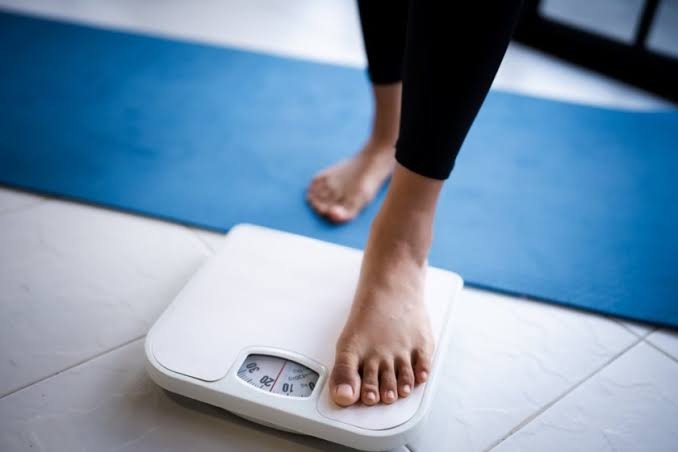
Body mass index compares your height to your weight and nothing else. It can’t distinguish a muscular athlete from someone with the same weight and a much higher body fat percentage. A person can have a “normal” BMI and still carry a high amount of body fat or have an “overweight” BMI because of muscle.
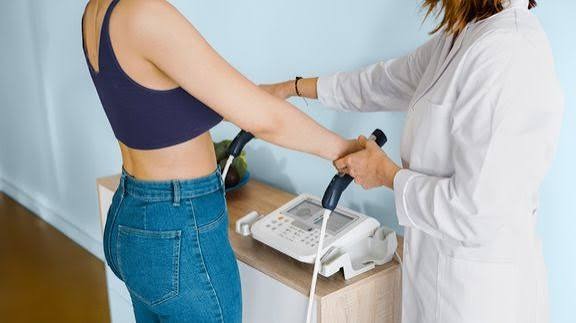
Smart scales and handheld devices try to fill the gap by sending a small electrical current through your body. These bioelectrical impedance tools are convenient, but their readings shift with hydration, recent meals, exercise, and even the time of day. Skinfold calipers depend heavily on the skill of the person pinching.
DEXA works differently. It measures your body directly, so results are far less affected by those variables. That consistency matters most when you repeat the scan. If your body fat percentage drops or your lean mass rises between two scans, you can trust that the change is real.
Why Fat Distribution and Visceral Fat Matter
Two people can share the same body fat percentage and have very different health profiles. Where your body stores fat matters.
Fat under the skin, called subcutaneous fat, is the fat you can pinch. Visceral fat sits deeper, around organs such as the liver and intestines. Research links higher levels of visceral fat with a greater risk of metabolic problems, including insulin resistance and cardiovascular disease.
A DEXA report gives you a visceral fat estimate along with a regional breakdown. You might learn that most of your fat is concentrated in your trunk, or that your arms and legs are leaner than expected. That kind of detail helps you and your healthcare provider set smarter goals than a single weight number ever could.
Who Should Consider a DEXA Scan?
DEXA is useful for far more people than you might expect.
People on a fat-loss journey. If you’re cutting calories or following a new workout plan, DEXA shows whether you’re losing fat or also losing valuable muscle. That insight can change how you adjust your nutrition and training.
Lifters and athletes. Tracking lean mass across arms, legs, and trunk helps you see whether your training is working and whether your muscle gains are balanced from side to side.
Adults focused on long-term health. If you’re concerned about visceral fat, a DEXA scan gives you a clear baseline you can revisit over the years.
Women approaching or past menopause. Hormonal changes affect both bone density and body composition. A single scan can check on both.
Adults over 50. Bone loss and muscle loss tend to accelerate with age. DEXA helps you catch changes early, when lifestyle adjustments can make the biggest difference.
Anyone who wants a reliable starting point. Before you change your diet, begin strength training, or start a new program, a baseline scan lets you measure your progress honestly.
Body Composition and Bone Health in One Visit
One advantage of DEXA is that the same technology evaluates your body composition and your bone density. At Jersey City Imaging Center, one appointment can cover both.
If bone health is on your mind, two of our other guides go deeper:
- Bone Density Test (DXA Scan): How It Works walks through the exam step by step, including how spine and hip positioning works.
- What Is a Good DEXA Scan Score? explains T-scores and what your bone density results mean.
Reading both before your appointment helps you understand your report and ask better questions.
How to Prepare for Your DEXA Scan
Preparation is straightforward, and a few simple steps help ensure accurate results:
- Wear comfortable clothing. Choose items without metal zippers, snaps, buttons, or underwire. Athletic wear usually works well.
- Remove jewelry and metal accessories. Belts, watches, and piercings can interfere with the image.
- Pause calcium supplements for 24 hours if your scan includes a bone density assessment.
- Avoid a large meal right before the scan, and drink fluids as you normally would. Staying consistent with your routine matters, especially if you plan to repeat scans.
- Share your medical history. Tell the technologist about recent X-rays, metal implants, or the possibility of pregnancy.
For repeat scans, try to keep the time of day, hydration, and pre-scan routine similar each time. Consistency makes your comparisons more meaningful.
What Happens During a DEXA Scan
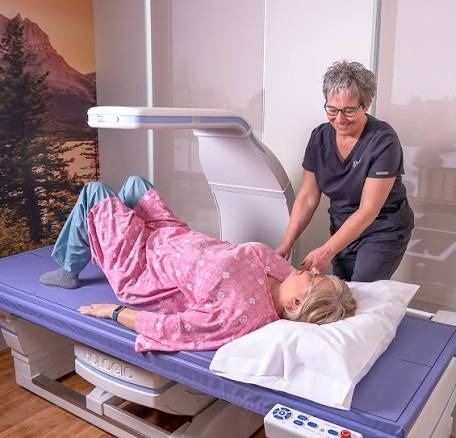
The process is calm and quick. Here’s what to expect:
- Check-in and brief questionnaire. You’ll confirm basic health details.
- Change if needed. If your clothing contains metal, you’ll switch into something suitable.
- Lie flat on the table. You’ll rest on your back, staying still while the scanner arm moves slowly over your body.
- The scan runs for about 5 to 15 minutes, depending on whether it’s a full-body or targeted scan.
- You’re done. There’s no needle, no contrast dye, and no recovery time. You can return to work, errands, or your workout right away.
The radiation dose is very low, lower than a standard chest X-ray. That is one reason DEXA is considered suitable for repeat testing over time.
Understanding Your DEXA Results
Your report arrives in a clear format, typically within 2 to 3 business days. Here’s what you’ll see and why each part matters:
- Body fat percentage: Your overall share of weight that comes from fat.
- Fat mass vs. lean mass: The actual amounts of fat and muscle, which help you track whether you’re losing the right kind of weight.
- Regional breakdown: How fat and lean tissue are distributed across your arms, legs, and trunk.
- Visceral fat estimate: A look at the deeper fat linked to metabolic health.
- Bone mineral density: A measure of bone strength when a bone density component is included.
A DEXA report is most valuable when you treat it as a starting line. Your first scan gives you a baseline. Each scan after that shows the direction you’re heading. Discuss your results with your physician or a qualified professional so you can turn the numbers into a plan that fits your goals.
How Often Should You Get a DEXA Scan?
For fitness and weight-loss goals, many people rescan every 3 to 6 months. That window is long enough to show meaningful change in fat and muscle, and short enough to keep you motivated and on track.
For bone health, the schedule depends on your age, risk factors, and previous results. Your physician will usually recommend scanning every one to two years if you’re monitoring bone density, though your situation may differ.
Looking for the Cheapest DEXA Scan Near Me?
It’s natural to compare options when you search for the cheapest DEXA scan near me. The most useful comparison, though, goes beyond the listing itself. A scan that skips key details or doesn’t match your goals isn’t a good use of your time, no matter how convenient it looks.
Before you book anywhere, ask these questions:
- Does the scan include body composition? Some facilities only offer the bone-density version.
- Will you receive a complete report? Look for fat mass, lean mass, regional breakdown, and a visceral fat estimate rather than a single percentage.
- Is scheduling flexible? Walk-ins, online booking, and quick turnaround make it easier to stick to a repeat-scan routine.
- Is it a licensed diagnostic imaging center? Consistent equipment and trained staff make your scans comparable over time.
- Can you scan in one visit? Combining body composition and bone density saves a trip.
For current availability and self-pay details for your scan type, call (551) 353-9911 or book online.
DEXA Scan Near Me: Jersey City and Hoboken
Jersey City Imaging Center is located at 2300 John F. Kennedy Blvd, Jersey City, NJ 07304. We serve Journal Square, Downtown Jersey City, Bergen-Lafayette, Greenville, Bayonne, and nearby neighborhoods.
If you’ve been searching for a DEXA scan in Hoboken, our Jersey City location is a convenient nearby option. There’s no need to travel into Manhattan or farther south in New Jersey. Walk-ins are welcome, all insurance is accepted, and our team can answer questions about scheduling and what to expect for your specific scan.
For anyone comparing a Jersey City DEXA scan against other options in the area, the priorities are simple: accurate technology, a complete report, easy booking, and a team that explains your results. That’s what we aim to deliver at every visit.
Ready to See Your Real Numbers?
Your weight is only one piece of the story. Fat, muscle, visceral fat, and bone health all shape how you look, feel, and age. A DEXA scan in Jersey City shows you all of it in one quick visit.
Stop guessing and start measuring.
Frequently Asked Questions
Is there a DEXA scan in Hoboken?
If you’re looking for a DEXA scan in Hoboken, our Jersey City imaging center is nearby and serves Hoboken residents.
Does a DEXA scan show body fat?
Yes. It reports total body fat percentage, fat mass, lean mass, regional distribution, and a visceral fat estimate.
Do I need a referral?
Body-composition scans for fitness or wellness usually don’t require one. Medical bone-density scans billed to insurance typically need a physician’s order.
How long does a DEXA scan take?
The scan itself takes roughly 5 to 15 minutes, and you can resume normal activities immediately.
Is a DEXA scan safe?
Yes. The radiation dose is very low, lower than a standard chest X-ray.
How accurate is DEXA compared to other methods?
DEXA is generally more consistent than bioelectrical impedance scales or skinfold calipers because hydration and technique affect it far less.
Medical Disclaimer
The information provided in this article is for educational and informational purposes only. It is not intended to replace professional medical advice, diagnosis, or treatment. Always consult your physician or another qualified healthcare provider regarding your health concerns. If you are experiencing a medical emergency, call 911 or visit your nearest emergency department immediately.
Need Diagnostic Imaging?
Schedule your MRI, CT Scan, X-Ray, Ultrasound, or other diagnostic imaging services with Jersey City Imaging Center. Our experienced team provides advanced technology, fast appointments, and compassionate care.

