
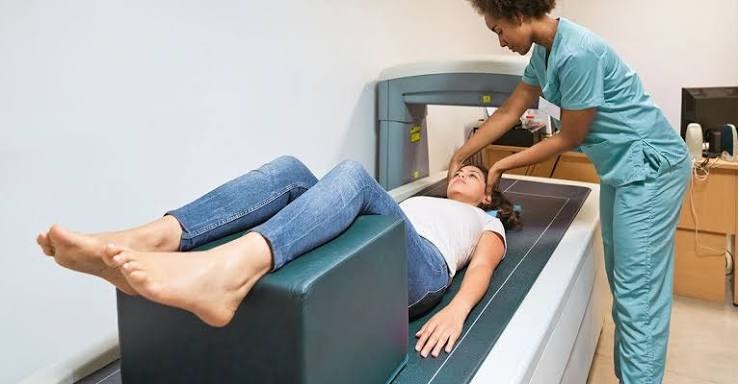
Healthy bones are essential for maintaining mobility, balance, and independence as you age. However, bone density can gradually decrease over time, sometimes without causing noticeable symptoms. This makes early screening important, particularly for individuals who may be at risk of osteoporosis.
A bone density test in Jersey City can help evaluate bone strength and identify reduced bone mineral density before a serious fracture occurs. One of the most commonly used methods for this evaluation is a DEXA scan, also called a DXA scan. This imaging examination measures bone mineral density, typically in the hip and lower spine.
Whether your healthcare provider has recommended screening or you are searching online for a bone density test near me, understanding the examination can help you make informed decisions about your bone health.
In this guide, we explain how a DEXA scan works, who may benefit from osteoporosis screening, what happens during the procedure, and how to prepare for your appointment in Jersey City and surrounding areas.
What Is a Bone Density Test?
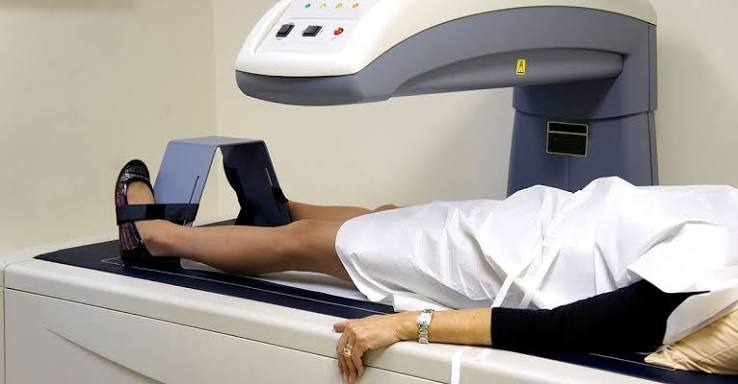
A bone density test is an imaging examination that measures the amount of minerals, particularly calcium, contained in your bones. These measurements help healthcare providers evaluate bone mineral density and identify conditions such as osteopenia and osteoporosis.
Dual-Energy X-ray Absorptiometry (DEXA or DXA) is the established standard for measuring bone mineral density.
A DEXA scan uses two different X-ray energy levels to measure how much radiation passes through bone and surrounding soft tissue. This information helps calculate bone mineral density and provides useful information about bone strength.
The examination generally focuses on two important areas:
- Lumbar spine: Evaluates bone mineral density in the lower back.
- Hip: Measures bone density in areas such as the femoral neck and total hip.
A bone density test is noninvasive, generally painless, and uses a low dose of radiation. It does not require injections or anesthesia.
For patients considering a Jersey City DEXA scan, this examination offers a way to evaluate bone health and help healthcare providers identify possible signs of osteoporosis.
Why Is a DEXA Scan Important for Osteoporosis Screening?
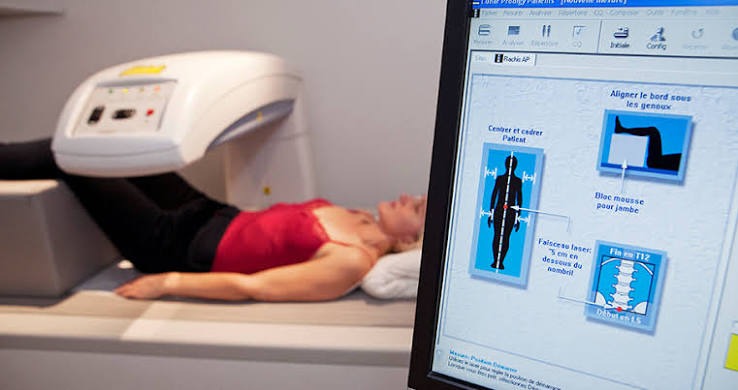
Osteoporosis is a condition in which bones become less dense and structurally weaker, increasing the likelihood of fractures. It can develop gradually and may not cause symptoms during its early stages.
Some individuals discover they have osteoporosis only after experiencing a fracture following a minor fall or everyday activity.
A DEXA scan helps identify reduced bone mineral density so healthcare providers can assess whether additional evaluation or treatment may be appropriate.
Some important benefits of osteoporosis screening include:
- Identifying low bone mineral density.
- Helping diagnose osteoporosis in appropriate patients.
- Assessing bone-related fracture risk.
- Monitoring changes in bone density over time.
- Evaluating response to osteoporosis treatment.
- Supporting informed decisions about bone health management.
Early identification can help patients discuss preventive strategies with their healthcare providers before bone loss progresses.
Who Should Consider a Bone Density Test?
Not everyone requires a bone density examination at the same age or frequency. Screening recommendations depend on age, medical history, medications, and individual risk factors.
The U.S. Preventive Services Task Force recommends osteoporosis screening for women aged 65 and older and for postmenopausal women younger than 65 who have an increased risk of osteoporosis based on clinical assessment.
Other individuals may also need testing depending on their medical circumstances.
1. Postmenopausal Women
Bone loss can accelerate after menopause because estrogen levels decrease. Women who have additional risk factors may benefit from an earlier evaluation.
2. Older Adults
Age-related changes can affect bone strength. Screening can help identify individuals who may have reduced bone mineral density.
3. Individuals With Previous Fractures
A fracture following a minor fall or relatively small injury may indicate weakened bones. A healthcare provider may recommend a DEXA scan to investigate possible osteoporosis.
4. People With a Family History of Osteoporosis
A family history of osteoporosis or hip fractures may increase an individual’s risk of developing low bone density.
5. Individuals Taking Certain Medications
Long-term use of corticosteroids and certain other medications may contribute to bone loss. A healthcare provider may recommend bone density monitoring depending on the medication and duration of use.
6. People With Certain Medical Conditions
Some medical conditions, including thyroid disorders, kidney disease, rheumatoid arthritis, and conditions affecting nutrient absorption, may influence bone health.
7. Individuals Experiencing Unexplained Height Loss
A noticeable reduction in height or persistent back discomfort may sometimes be associated with vertebral compression fractures. Your physician may recommend additional evaluation.
The need for testing should always be determined through an appropriate medical assessment.
What Happens During a Jersey City DEXA Scan?
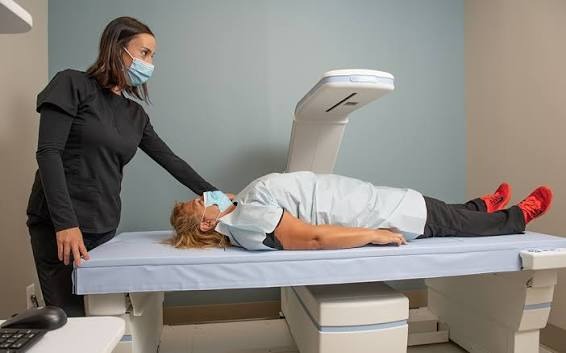
If you have never undergone a DEXA examination, you may wonder what to expect. Fortunately, the procedure is straightforward and generally requires little preparation.
When visiting an imaging facility for a Jersey City DEXA scan, the process typically includes the following steps.
Step 1: Patient Registration
The imaging team reviews your appointment information and may ask about your medical history, medications, previous fractures, and earlier bone density examinations.
Step 2: Positioning on the Scanning Table
You will lie comfortably on a padded examination table. Depending on the area being evaluated, the technologist may position your legs or feet to obtain appropriate images of the hip and lower spine.
Step 3: Bone Density Measurement
The DEXA scanner moves over the examination area and uses two low-dose X-ray beams to measure bone mineral density.
You will need to remain still during the examination to help produce clear measurements.
Step 4: Completion of the Examination
Once the required images have been obtained, the examination is complete. Most patients can return to their regular daily activities immediately.
Step 5: Results and Interpretation
A qualified interpreting physician reviews the measurements and prepares a report. Your referring healthcare provider can explain the results and discuss whether additional evaluation or treatment is recommended.
The scanning portion is generally quick, although the total appointment time may vary.
How to Prepare for a Bone Density Test Near Me
Preparing for a DEXA scan is usually simple. Following the imaging facility’s instructions can help prevent delays and make the examination easier.
If you are searching for a bone density test near me, consider these preparation tips:
- Wear comfortable clothing: Choose loose-fitting clothing without metal zippers, buttons, or belts around the areas being examined.
- Avoid metal accessories: Remove jewelry and other objects that could interfere with imaging.
- Follow calcium supplement instructions: Patients are generally advised to avoid calcium supplements for at least 24 hours before the examination.
- Share your medical history: Inform the imaging team about relevant health conditions, medications, and previous fractures.
- Mention recent imaging procedures: Tell your healthcare provider if you recently underwent a barium examination or received contrast material for another imaging study.
- Inform the imaging team about pregnancy: If you are pregnant or may be pregnant, notify your healthcare provider before the examination.
You can generally eat and drink normally before a routine DEXA scan unless your imaging facility provides different instructions.
Understanding Your DEXA Scan Results
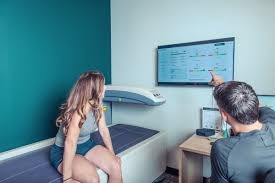
After your examination, the results are generally reported using two measurements: the T-score and Z-score.
Understanding these measurements can help you follow your healthcare provider’s explanation of your bone health.
What Is a T-Score?
The T-score compares your bone mineral density with the average bone density of a healthy young adult reference population.
For appropriate adults, the general categories are:
| T-score | Classification |
| -1.0 and above | Normal bone density |
| Between -1.0 and -2.5 | Low bone mass (osteopenia) |
| -2.5 and below | Osteoporosis |
A lower T-score indicates reduced bone mineral density compared with the reference population.
What Is a Z-Score?
The Z-score compares your bone density with that of individuals of similar age, sex, and body size.
It can be particularly useful when evaluating younger adults and certain other patient groups.
A Z-score significantly below the expected range may lead a healthcare provider to investigate possible underlying causes of bone loss.
These scores should not be interpreted independently. Your physician considers your medical history, age, previous fractures, medications, and other clinical information before recommending treatment.
Osteopenia vs. Osteoporosis: Understanding the Difference
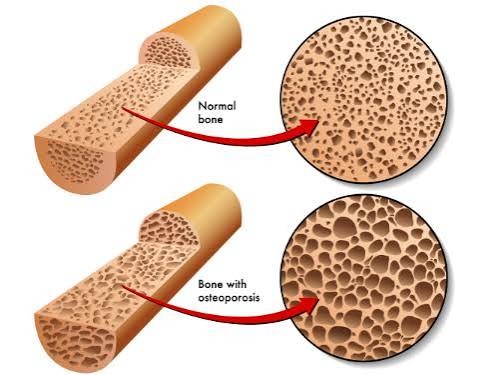
Osteopenia and osteoporosis are both associated with reduced bone mineral density, but they represent different classifications.
Osteopenia refers to bone density that is lower than normal but does not meet the diagnostic threshold for osteoporosis. It may indicate an increased risk of developing osteoporosis.
Osteoporosis involves more significant bone loss and weakened bone structure, increasing the risk of fractures.
Identifying changes in bone density can help patients and healthcare providers discuss appropriate strategies to maintain bone health.
Depending on individual circumstances, recommendations may include:
- Weight-bearing and resistance exercises.
- Adequate calcium and vitamin D intake.
- Avoiding smoking.
- Limiting excessive alcohol consumption.
- Reviewing medications that may affect bone health.
- Medical treatment when clinically appropriate.
Your healthcare provider can recommend a suitable approach based on your examination results and overall health.
Finding a DEXA Scan in North Jersey
Patients searching for DEXA North Jersey services may want to consider several factors when selecting an imaging facility.
A convenient location is important, but the quality of the imaging process and communication of results also matter.
When researching a New Jersey DEXA scan, consider the following:
1. Appropriate Imaging Technology
Look for a facility that offers central DEXA scanning to measure bone mineral density in the hip and lumbar spine when clinically indicated.
2. Qualified Imaging Professionals
The examination should be performed by trained technologists, with results interpreted by appropriately qualified healthcare professionals.
3. Convenient Scheduling
Choose an imaging facility that provides clear appointment information, preparation instructions, and a convenient scheduling process.
4. Communication With Your Healthcare Provider
The imaging center should have a process for delivering examination reports to your referring physician so the findings can be reviewed as part of your overall healthcare plan.
5. Location and Accessibility
For individuals living or working in Jersey City and nearby communities, searching for a DEXA scan near Jersey City NJ can help identify imaging facilities within a convenient distance.
Patients in surrounding North Jersey communities may also consider available DEXA imaging services based on their location and referral requirements.
What Should You Know About DEXA Scan NJ Cost?
Patients researching DEXA scan NJ cost should understand that charges can vary depending on the imaging facility, insurance coverage, and the type of examination requested.
Before scheduling, contact the imaging facility and your insurance provider to confirm coverage, referral requirements, and any potential out-of-pocket expenses.
Your healthcare provider can also help determine which examination is appropriate for your medical needs.
Schedule Your Bone Density Test in Jersey City
Maintaining healthy bones is an important part of long-term health and mobility. Since bone loss can develop without noticeable symptoms, appropriate screening can help identify reduced bone mineral density and support timely medical evaluation.
If your healthcare provider has recommended osteoporosis screening, a DEXA scan can provide valuable information about your bone health and potential fracture risk.
For patients looking for a bone density test in Jersey City, choosing an imaging facility with appropriate DEXA technology and qualified imaging professionals can help make the examination process straightforward.
Contact our imaging team to learn more about bone density testing, appointment availability, and examination preparation. Our team can help answer your questions and guide you through the scheduling process.
Frequently Asked Questions About Bone Density Testing
1. Is a DEXA scan painful?
No. A DEXA scan is generally painless and noninvasive. You simply lie on a padded table while the scanner measures bone mineral density.
2. How long does a bone density test take?
The scanning portion of a routine examination is usually completed quickly. The total appointment time may vary depending on the facility and examination requirements.
3. Is a DEXA scan safe?
DEXA scans use a very low dose of ionizing radiation. They are widely used to evaluate bone mineral density. Inform your healthcare provider if you are pregnant or may be pregnant before the examination.
4. Can a DEXA scan detect osteoporosis?
Yes. DEXA is the standard method commonly used to measure bone mineral density and diagnose osteoporosis in appropriate patient populations.
5. How often should I get a bone density test?
The recommended frequency depends on your age, previous results, fracture risk, and treatment history. Your healthcare provider will determine an appropriate follow-up schedule.
6. Do I need a doctor’s referral for a DEXA scan?
Referral requirements may vary depending on the imaging facility and insurance plan. Contact the facility to confirm its scheduling requirements.
7. Can I return to normal activities after a DEXA scan?
Yes. Most patients can resume their regular activities immediately because the examination is noninvasive and does not require recovery time.
8. What is the difference between a DEXA scan and a regular X-ray?
A regular X-ray creates images of bones and other structures to evaluate certain injuries and medical conditions. A DEXA scan is specifically designed to measure bone mineral density using two different X-ray energy levels.
Medical Disclaimer
The information provided in this article is for educational and informational purposes only. It is not intended to replace professional medical advice, diagnosis, or treatment. Always consult your physician or another qualified healthcare provider regarding your health concerns. If you are experiencing a medical emergency, call 911 or visit your nearest emergency department immediately.
Need Diagnostic Imaging?
Schedule your MRI, CT Scan, X-Ray, Ultrasound, or other diagnostic imaging services with Jersey City Imaging Center. Our experienced team provides advanced technology, fast appointments, and compassionate care.

