

Bone health is an important part of staying active and independent as you get older. However, bone loss often develops gradually without noticeable symptoms. You may not realize your bones are becoming weaker until a fracture occurs. This is one reason healthcare providers recommend bone density testing for people who may be at risk of osteoporosis.
A common question patients ask is: How often do you have to get a DEXA scan? The answer depends on several factors, including your age, previous bone density results, medical history, fracture risk, and whether you are receiving treatment for osteoporosis.
A DEXA scan, also called a bone density test, helps measure bone mineral density and provides information that healthcare providers can use to assess bone health. Whether you are considering your first test or wondering when to schedule another one, understanding the recommended testing intervals can help you make informed decisions.
If you are looking for a DEXA scan near Jersey City, NJ, Jersey City Imaging Center offers bone density imaging to help patients and their healthcare providers assess bone health.
What Is a DEXA Scan and Why Is It Important?
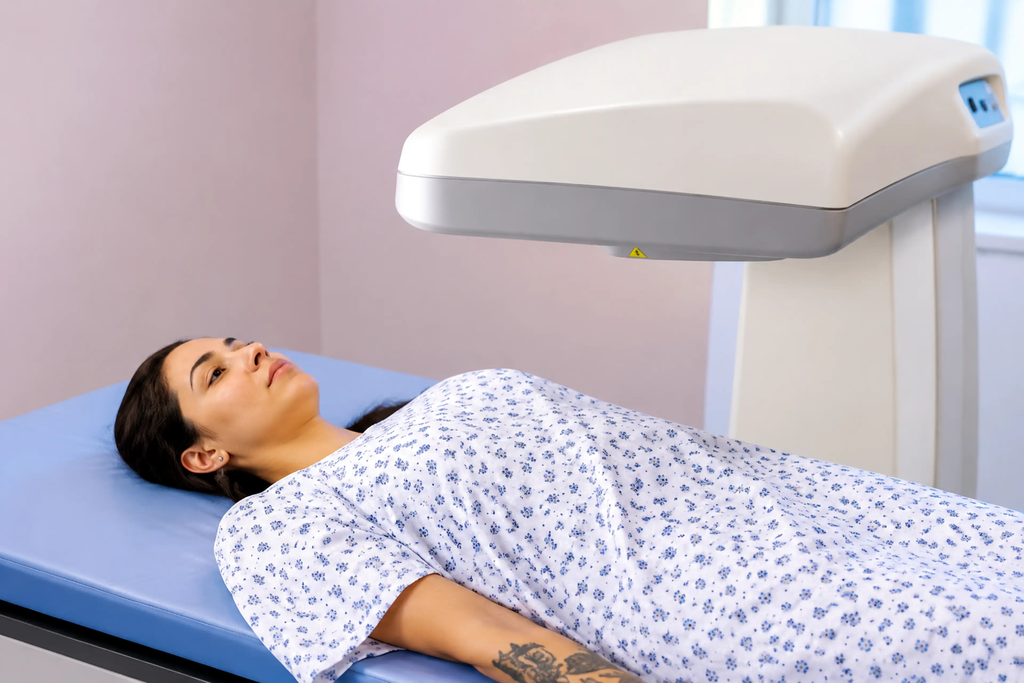
DEXA stands for Dual-Energy X-ray Absorptiometry. It is a specialized imaging test that measures bone mineral density, usually at the lower spine and hips.
A DEXA scan uses two low-dose X-ray beams to estimate how much mineral is present in your bones. The results help healthcare providers identify low bone density, diagnose osteoporosis, and evaluate fracture risk.
Bone density testing is particularly useful because osteoporosis does not always cause pain or obvious symptoms. A person may have reduced bone strength for years without knowing it.
A DEXA scan may be recommended to:
- Screen for osteoporosis in people at increased risk.
- Evaluate low bone density or osteopenia.
- Assess fracture risk.
- Monitor changes in bone density over time.
- Evaluate how well osteoporosis treatment is working.
- Help guide decisions about bone health management.
For patients considering a Jersey City DEXA scan, the test provides useful information that can support conversations with their healthcare providers about prevention, monitoring, and treatment.
How Often Do You Have to Get a DEXA Scan?
There is no single schedule that applies to everyone. The frequency of DEXA scans depends on your initial bone density results, age, risk factors, and whether you are receiving treatment for osteoporosis.
Some people with normal bone density and a low risk of fractures may not need another scan for many years. Others with osteoporosis or additional risk factors may need repeat testing sooner.
Your healthcare provider may consider the following general testing intervals:
1. People With Normal Bone Density
If your initial DEXA scan shows normal bone density and you do not have significant osteoporosis risk factors, another test may not be needed for several years.
The timing depends on your age and overall fracture risk. A healthcare provider may recommend a longer interval when the likelihood of significant bone loss is low.
2. People With Osteopenia
Osteopenia means your bone density is lower than normal but does not meet the diagnostic threshold for osteoporosis.
People with osteopenia may need repeat DEXA scans to monitor changes in bone density. The recommended interval depends on the initial T-score, age, fracture risk, and other medical factors.
3. People Diagnosed With Osteoporosis
People with osteoporosis may need more frequent monitoring, particularly when starting or changing treatment.
Repeat testing can help healthcare providers evaluate whether bone density is stable, improving, or continuing to decline. Your provider will determine when another scan is likely to provide useful information.
4. People Receiving Osteoporosis Treatment
If you are taking medication for osteoporosis, your provider may recommend follow-up testing to evaluate treatment response.
Some patients may have repeat testing after one to two years, while others may need a different schedule depending on their treatment and medical circumstances.
5. People With Additional Risk Factors
Certain medical conditions, medications, and lifestyle factors can contribute to faster bone loss.
People taking long-term corticosteroids, those with certain inflammatory conditions, and individuals with a history of fragility fractures may require closer monitoring.
The important thing to remember is that repeat DEXA testing should be based on your individual medical needs rather than an automatic yearly schedule.
What Factors Determine How Often You Need a Bone Density Test?
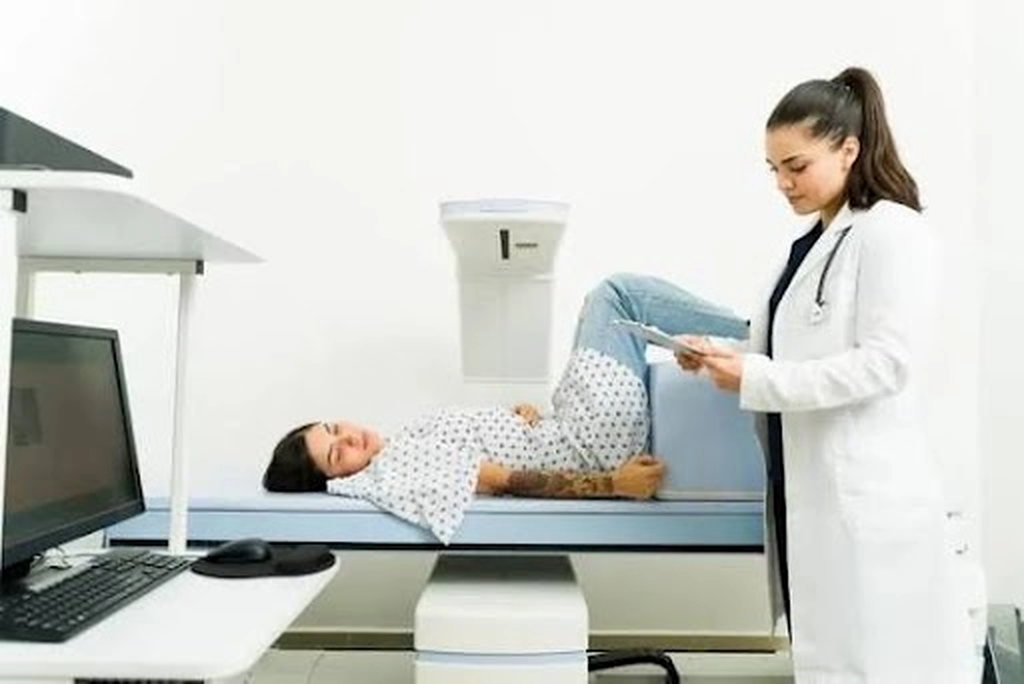
Your healthcare provider considers several factors when deciding how frequently you should have a DEXA scan.
Age: Bone density naturally changes as people get older. Postmenopausal women and older adults may have an increased risk of osteoporosis.
Previous DEXA results: Your initial T-score provides information about your current bone density. Results showing osteopenia or osteoporosis may influence when follow-up testing is recommended.
Previous fractures: A fracture resulting from a minor fall or everyday activity may indicate reduced bone strength and require further evaluation.
Medications: Long-term use of certain medications, including glucocorticoids, may contribute to bone loss.
Medical conditions: Conditions that affect nutrient absorption, hormone levels, or bone metabolism may increase osteoporosis risk.
Osteoporosis treatment: Patients receiving treatment may need repeat testing to assess changes in bone mineral density.
Your provider considers these factors together rather than relying on age or one test result alone.
Is a DEXA Scan Worth It?
If you are wondering, is a DEXA scan worth it?The answer depends on your health history and risk of osteoporosis.
For people who are at increased risk of bone loss, a DEXA scan can provide important information that may otherwise go unnoticed.
The benefits include:
- Detecting low bone density before a fracture occurs.
- Helping identify osteoporosis.
- Supporting fracture-risk assessment.
- Providing a baseline for future comparisons.
- Helping monitor the response to osteoporosis treatment.
- Supporting decisions about preventive care.
DEXA scanning is quick, noninvasive, and uses a very small amount of radiation. It is one of the most commonly used methods for measuring bone mineral density.
However, not everyone needs frequent screening. Your healthcare provider can help determine whether testing is appropriate and when repeating it may be useful.
What Happens During a DEXA Bone Density Scan?
A DEXA scan is generally straightforward and comfortable. The examination usually focuses on the lower spine and hips, although other areas may be evaluated when clinically appropriate.
Here is what you can typically expect:
Before the scan: You may be asked to avoid calcium supplements for at least 24 hours before your examination. Wear comfortable clothing without metal zippers, buttons, or belts. Inform the imaging team if you may be pregnant or recently had certain contrast or barium examinations.
During the scan: You will lie on a padded examination table while the scanner moves over the area being examined. You will need to remain still during image acquisition.
After the scan: You can generally return to your normal activities immediately. The images are reviewed and interpreted by a qualified physician, and the report is shared with your referring healthcare provider.
Most patients find the examination quick and painless.
Understanding Your DEXA Scan Results
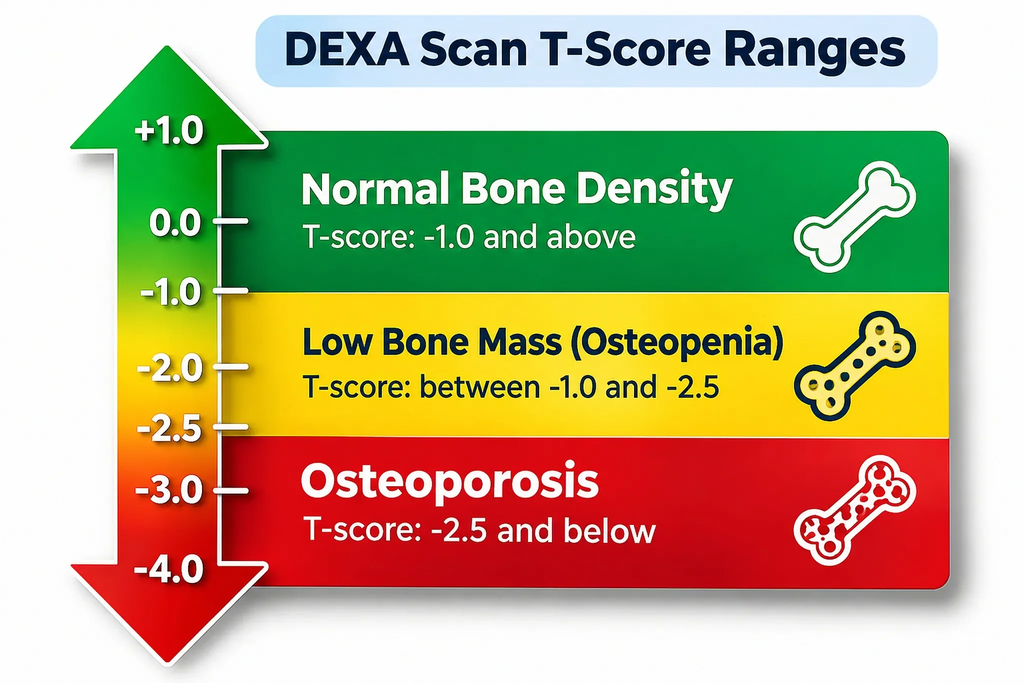
After your examination, your results will generally include measurements of bone mineral density and scores that help describe your bone health.
Two commonly reported measurements are the T-score and Z-score.
What Is a T-Score?
A T-score compares your bone mineral density with that of a healthy young adult reference population.
The general interpretation is:
- -1.0 and above: Normal bone density.
- Between -1.0 and -2.5: Low bone density, also called osteopenia.
- -2.5 or below: A result in the osteoporosis range.
These values are interpreted alongside your medical history and fracture risk.
What Is a Z-Score?
A Z-score compares your bone density with that of people of similar age and sex.
It is particularly useful in evaluating bone density in younger adults and certain clinical situations.
Your healthcare provider will interpret these results in the context of your health history and determine whether additional evaluation or treatment is needed.
Where Can You Get a DEXA Scan Near Jersey City, NJ?
If your healthcare provider has recommended a bone density test, choosing an accessible imaging center can make the process more convenient.
Centro de Diagnóstico por Imagen de Jersey City provides DEXA bone density scanning at its Jersey City location.
Patients can access diagnostic imaging services at one location, with a focus on convenient scheduling and clear communication.
Why Choose Jersey City Imaging Center?
- DEXA bone density imaging for osteoporosis screening and fracture-risk assessment.
- Board-certified radiologists.
- Acceptance of major insurance plans, including Medicare and Medicaid.
- Walk-ins welcome during business hours when scheduling allows.
- Free on-site parking.
- Imaging reports delivered to patients and referring physicians within approximately 2–3 business days.
If you are searching online for the closest DEXA scan near me, our center offers a convenient option for patients in Jersey City and surrounding Hudson County communities.
Location:
Centro de Diagnóstico por Imagen de Jersey City
2300 John F. Kennedy Blvd
Jersey City, NJ 07304
Phone: (551) 353-9911
You can call to ask about scheduling, prescription requirements, and insurance verification before your visit.
Schedule Your DEXA Scan at Jersey City Imaging Center
Taking care of your bone health starts with understanding your individual risk and getting the right information. A DEXA scan can help assess bone mineral density, identify osteoporosis, and provide a baseline for monitoring changes over time.
If your healthcare provider has recommended a bone density test, Jersey City Imaging Center offers DEXA scanning in a convenient Jersey City location.
Whether you are scheduling your first examination or returning for follow-up testing, our imaging team is here to help make the process straightforward.
Contact us to learn more about scheduling your DEXA scan in Jersey City, NJ.
FAQs About DEXA Scans
1. How often do you have to get a DEXA scan?
The frequency depends on your age, bone density results, fracture risk, and medical history. People with normal bone density may go several years before needing another scan, while those with osteoporosis or receiving treatment may need closer monitoring. Your healthcare provider determines the appropriate interval.
2. How often should women get a bone density test?
Bone density testing is commonly recommended for women aged 65 and older, and for younger postmenopausal women who have increased osteoporosis risk. Repeat testing depends on the initial results and individual risk factors.
3. Can you get a DEXA scan every year?
Some patients may need more frequent testing because of treatment changes or medical conditions associated with rapid bone loss. However, annual testing is not necessary for everyone. Your provider should determine whether another scan would provide useful information.
4. Is a DEXA scan worth it if I have no symptoms?
It may be worthwhile if you have risk factors for osteoporosis. Bone loss often develops without noticeable symptoms, and a DEXA scan can help identify reduced bone density before a fracture occurs. Your provider can determine whether screening is appropriate for you.
5. What is the difference between a DEXA scan and a regular X-ray?
A regular X-ray produces images of bones and other structures, while a DEXA scan specifically measures bone mineral density. DEXA is commonly used to diagnose osteoporosis and assess fracture risk.
6. Do I need a prescription for a DEXA scan in Jersey City, NJ?
Jersey City Imaging Center states that a prescription is required for diagnostic imaging under New Jersey requirements. Contact the center at (551) 353-9911 if you need help confirming the order requirements before your visit.
7. How long does a DEXA scan take?
A DEXA examination is generally quick. The actual scanning time depends on the areas being examined and the imaging protocol. Your imaging center can provide more specific information when you schedule.
8. What should I avoid before a DEXA scan?
Patients are generally advised to avoid calcium supplements for at least 24 hours before the examination. Wear comfortable clothing without metal fasteners and tell the technologist about recent contrast or barium examinations.
9. Where can I get a DEXA scan in New Jersey?
If you are looking for a DEXA scan in New Jersey, Jersey City Imaging Center offers bone density testing at 2300 John F. Kennedy Blvd, Jersey City, NJ 07304. Call (551) 353-9911 for scheduling information.
10. When should I repeat my DEXA scan after starting osteoporosis treatment?
The timing depends on the medication, your initial bone density, fracture risk, and treatment goals. Some patients may need follow-up testing after one to two years, while others may need a different interval. Follow your healthcare provider’s recommendation.
Medical Disclaimer
The information provided in this article is for educational and informational purposes only. It is not intended to replace professional medical advice, diagnosis, or treatment. Always consult your physician or another qualified healthcare provider regarding your health concerns. If you are experiencing a medical emergency, call 911 or visit your nearest emergency department immediately.
Need Diagnostic Imaging?
Schedule your MRI, CT Scan, X-Ray, Ultrasound, or other diagnostic imaging services with Jersey City Imaging Center. Our experienced team provides advanced technology, fast appointments, and compassionate care.

