
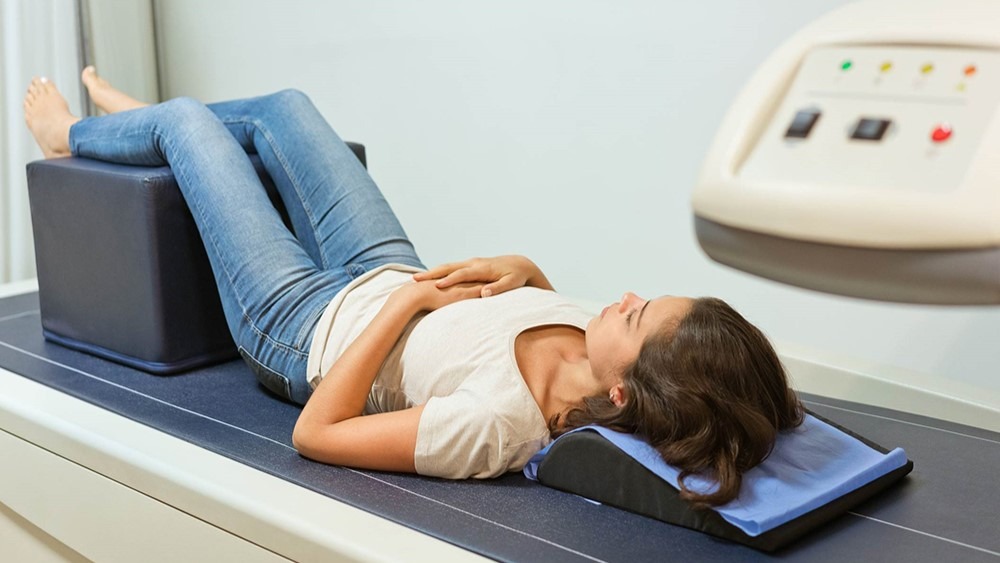
If your doctor just recommended a bone density test, your first question is probably simple: what is a good score for a DEXA scan, and what do the numbers actually mean? A DEXA scan, short for Dual-Energy X-ray Absorptiometry, is the gold-standard test for measuring bone mineral density. It’s the most reliable, evidence-backed way to catch osteopenia or osteoporosis before a fracture happens, and it takes only a few minutes to complete.
Bone density naturally declines with age, especially after menopause, but the process is often silent. Most people don’t know their bones have weakened until they break one, which is exactly why DEXA scans exist: to give you a clear picture of skeletal health before a fracture forces the issue.
At Jersey City Imaging Center, we perform DEXA scans every day and walk patients through their results week after week. In this guide, we’ll break down exactly how DEXA scores work, what range counts as “good,” what affects your results, and how to find a bone density test near you in New Jersey.
What Does a DEXA Scan Actually Measure?
A DEXA scan sends two low-dose X-ray beams through your hip and spine to measure how dense and strong your bones are. Because the scan uses two different energy levels, the machine can distinguish bone tissue from soft tissue with a high degree of precision. The result is a detailed measurement of bone mineral density, expressed in grams per square centimeter, which is then converted into standardized scores your doctor can use for diagnosis.
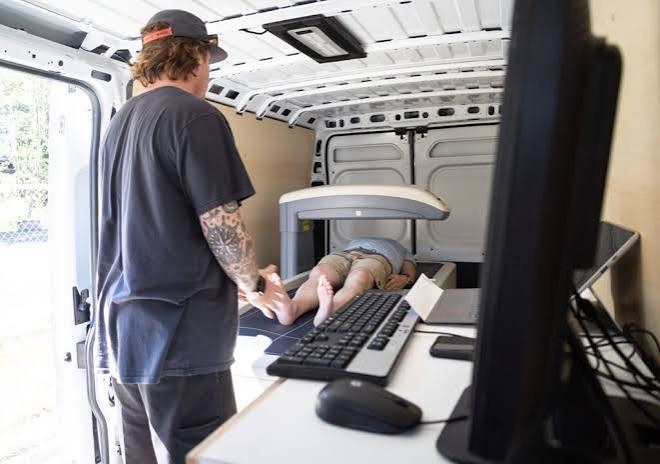
The test itself is simple. You lie flat on a padded table while a scanning arm passes slowly over your body. There’s no need to hold your breath, no injections, and no enclosed tunnel like an MRI. Most scans take between 10 and 20 minutes from start to finish, and you can resume normal activities immediately afterward.
Radiologists use the results to calculate two key numbers: your T-score and your Z-score. Understanding the difference between these two is the key to understanding your entire report.
Understanding Your T-Score
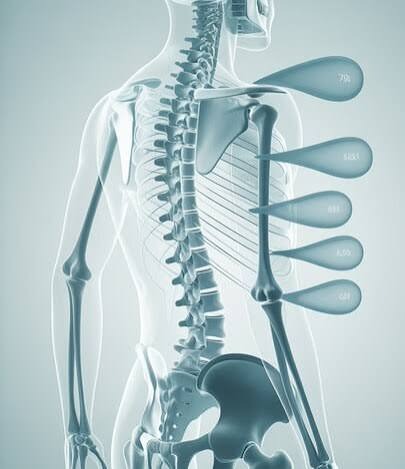
Your T-score compares your bone density to that of a healthy 30-year-old adult of the same sex, which is considered the point of peak bone mass. This is the number your doctor relies on most when screening for osteoporosis, because it reflects how your current bone strength stacks up against your body’s healthiest baseline.
| T-Score Range | What It Means |
| -1.0 and above | Normal bone density |
| -1.0 to -2.5 | Osteopenia (low bone mass) |
| -2.5 and below | Osteoporosis |
| -2.5 and below with a fragility fracture | Severe (established) osteoporosis |
So, what is a good score for a DEXA scan?
Generally, a T-score of -1.0 or higher is considered good and falls within the normal range. A score between -1.0 and -2.5 signals osteopenia, meaning your bones are weaker than average but haven’t yet crossed into osteoporosis. This middle zone is often the most actionable stage, since lifestyle changes, nutrition, and monitoring can slow or even reverse further bone loss. A score of -2.5 or below indicates osteoporosis, a condition where bones become fragile enough that everyday movements can sometimes cause a fracture.
A single number doesn’t tell the whole story, though. Your doctor also factors in your age, fracture history, and overall health when deciding on next steps.
Understanding Your Z-Score
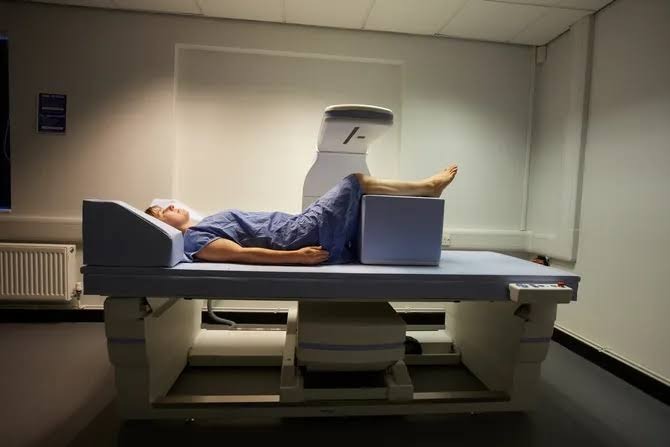
Your Z-score compares your bone density to other people of your same age, sex, and body size, rather than to a healthy 30-year-old. This number helps your doctor determine whether something other than normal aging, such as a medical condition, hormone imbalance, or certain medications, might be affecting your bone density more than expected for someone your age.
A Z-score below -2.0 is often flagged as “below the expected range for age” and may prompt further evaluation, including blood work to check for underlying causes like thyroid disorders or vitamin D deficiency. Z-scores are especially useful for younger patients, premenopausal women, and men under 50, since the T-score alone isn’t always the best diagnostic tool for these groups.
What Affects Your Bone Density Score?
Several factors influence where your bones fall on the T-score and Z-score scale, including:
- Age and hormonal changes: Density peaks around age 30, then declines, with a faster drop during and after menopause.
- Family history: A parent or sibling with osteoporosis raises your own risk.
- Diet and nutrition: Long-term low intake of calcium and vitamin D weakens bones over time.
- Physical activity: Weight-bearing exercise helps maintain density; a sedentary lifestyle accelerates loss.
- Medications: Long-term steroid use can reduce bone strength.
- Lifestyle factors: Smoking and excessive alcohol use are both linked to lower bone density.
Knowing which of these apply to you helps your doctor interpret your results in context, rather than looking at the score alone.
DEXA Scans for Body Fat and Body Composition
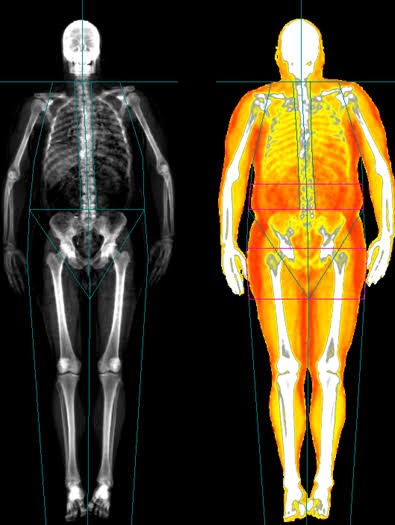
DEXA isn’t only used for bone health. It’s also one of the most accurate available methods for measuring body composition, including body fat percentage, lean muscle mass, and how that mass is distributed throughout the body. Unlike a bathroom scale or a basic BMI calculation, a DEXA body composition scan shows region-by-region breakdowns, such as how much fat and muscle you’re carrying in your arms, legs, and trunk.
Athletes, fitness-focused patients, and people working with a physician on weight management often ask where to get a DEXA scan for body fat, since the precision makes it easier to track real changes over time. Look for an imaging center that offers dedicated body composition scanning in addition to standard bone density testing, since not every facility provides both.
How Much Does a DEXA Scan Cost?
Pricing for a DEXA scan depends on several factors, including whether you’re having a bone density scan or a body composition scan, your specific insurance plan, and whether the test is considered medically necessary by your provider. Many insurance plans, including Medicare, cover bone density DEXA scans for eligible patients, particularly women over 65, postmenopausal women with risk factors, and patients on long-term steroid therapy.
If you’re asking how much a DEXA scan costs without insurance or comparing options for a self-pay body composition scan, the most accurate next step is to contact the imaging center directly. Pricing can vary by location, scan type, and insurance coverage, so our scheduling team can walk you through current rates and help you understand what your plan may cover before you book your appointment.
How Often Do You Need a DEXA Scan?
For most healthy adults with normal bone density, a DEXA scan every two years is the standard recommendation. That said, your doctor may suggest a different schedule based on your individual risk factors:
- Normal bone density (T-score above -1.0): Rescreening every two years is typical, though some low-risk patients may safely go longer between scans.
- Osteopenia: Follow-up scans are often recommended every one to two years to monitor for changes.
- Osteoporosis or on treatment: Your doctor may recommend annual scans to track how well treatment is working.
- Body composition scans: Fitness-focused patients often repeat these every three to six months to track progress toward specific goals.
Always follow your physician’s specific recommendation, since individual risk factors like family history, menopause, steroid use, and prior fractures can change how often you should be screened.
How to Prepare for Your DEXA Scan
Preparing for a DEXA scan is simple. Avoid calcium supplements for at least 24 hours beforehand, since they can affect accuracy. Wear comfortable clothing without metal zippers, buttons, or underwire, and remove jewelry before the scan. Let your technologist know if you’ve recently had a barium exam, a contrast CT, or a nuclear medicine test, as these can also affect the results.
Where to Get a DEXA Scan in New Jersey
If you’re searching for a bone density test near me or a DEXA scan in New Jersey, Jersey City Imaging Center offers both bone density and body composition DEXA scans in a comfortable, patient-focused environment. Our board-certified radiologists interpret every scan and provide clear, easy-to-understand reports that you can review with your physician.
We work with referring physicians throughout Jersey City and the surrounding NJ area, and our scheduling team can help verify your insurance benefits before your appointment so there are no surprises on the day of your scan.
Book Your DEXA Scan at Jersey City Imaging Center
Understanding your bone density is one of the simplest ways to protect your long-term health. Whether you need a routine bone density test or a detailed body composition scan, Jersey City Imaging Center is here to help. Contact our team today to schedule your appointment and get clear answers about what your results mean.
Frequently Asked Questions
What is a good score for a DEXA scan?
A T-score of -1.0 or above is generally considered a good, normal result. Scores between -1.0 and -2.5 indicate osteopenia, and scores of -2.5 or below indicate osteoporosis.
What is the difference between a T-score and a Z-score?
A T-score compares your bone density to a healthy 30-year-old adult, while a Z-score compares it to people your own age, sex, and body size. Doctors primarily use the T-score to diagnose osteoporosis.
How much does a DEXA scan cost for body fat testing?
Cost varies by location, scan type, and whether insurance applies. Since body composition scans are often self-pay, it’s best to contact the imaging center directly for current pricing before scheduling.
Where can I get a DEXA scan for body fat near me?
Look for an imaging center that specifically offers body composition DEXA scanning, not just bone density testing. Jersey City Imaging Center offers both services for patients throughout NJ.
How much does a DEXA scan cost without insurance?
Self-pay pricing depends on the facility and the type of scan. Contact your imaging center directly to get an accurate quote based on whether you need a bone density scan or a body composition scan.
How often do you have to get a DEXA scan?
Most adults with normal bone density repeat testing every two years. Patients with osteopenia, osteoporosis, or other risk factors may need more frequent scans, as recommended by their physician.
Is a DEXA scan painful, or does it involve a lot of radiation?
No. A DEXA scan is quick, painless, and uses a very low dose of radiation, significantly less than a standard X-ray.
Medical Disclaimer
The information provided in this article is for educational and informational purposes only. It is not intended to replace professional medical advice, diagnosis, or treatment. Always consult your physician or another qualified healthcare provider regarding your health concerns. If you are experiencing a medical emergency, call 911 or visit your nearest emergency department immediately.
Need Diagnostic Imaging?
Schedule your MRI, CT Scan, X-Ray, Ultrasound, or other diagnostic imaging services with Jersey City Imaging Center. Our experienced team provides advanced technology, fast appointments, and compassionate care.

